All Categories
Featured
Securing Your Co-Signers Throughout a 2026 Financial obli...
How Nonprofit Credit Therapy Stops Collection Pressure in...
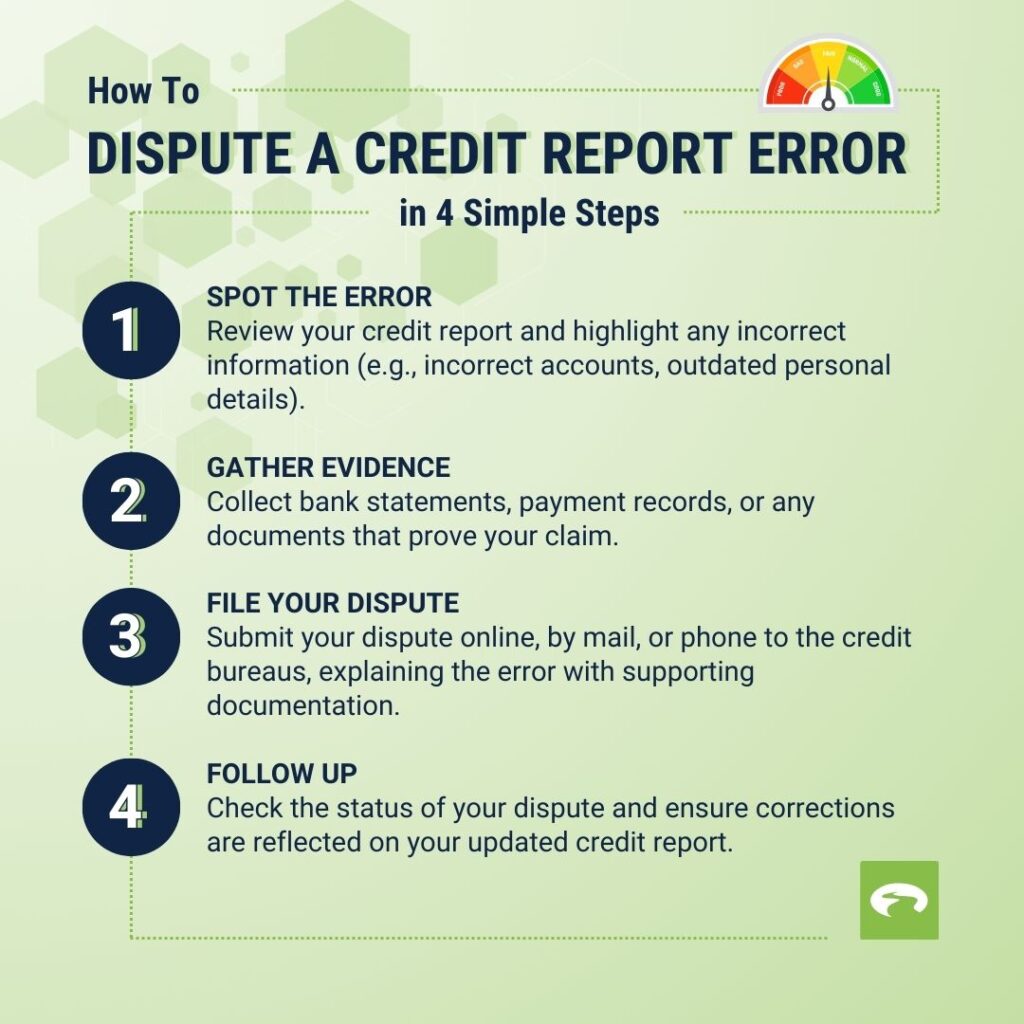
A Practical Guide to Preserving Low Financial Obligation ...
Table of Contents
Navigating Financial Obligation Relief in the 2026 Financial Environment
The financial environment of 2026 presents unique obstacles for households across the local community. While inflation has actually slowed compared to previous years, the cumulative cost of living remains high, and numerous customers discover themselves handling several high-interest credit lines. Credit counseling has emerged as a primary technique for handling this pressure, using a structured path for those who feel overwhelmed by monthly commitments. These services, often provided by 501(c)(3) not-for-profit agencies, focus on education and financial obligation restructuring instead of high-risk financing or aggressive settlement methods.
Expert insights into Debt Relief supply a foundation for long-term stability by helping people comprehend the root causes of their financial obligation. In the current year, the shift toward digital wallets and automated subscription designs has made it easier for small expenses to accumulate unnoticed. A credit therapist serves as an unbiased 3rd party, examining every aspect of a financial profile to create a sustainable spending plan. This procedure is particularly useful for locals in the surrounding region who are attempting to balance housing expenses with customer financial obligation payment.
The Advantages of Nonprofit Credit Therapy
Among the most substantial advantages of dealing with a reliable firm is access to a debt management program. This program combines various unsecured debts-- such as charge card and personal loans-- into a single monthly payment. Rather of tracking multiple due dates and differing interest rates, the customer makes one payment to the agency, which then disperses the funds to creditors. Because these companies keep enduring partnerships with monetary organizations, they can typically negotiate substantially lower rates of interest. It is not uncommon for rates to be decreased from 25 percent or greater down to a single-digit portion, which enables more of the month-to-month payment to approach the primary balance.
Another advantage includes the academic component. Unlike debt settlement business that might motivate participants to stop paying their costs, credit counseling agencies focus on monetary literacy. They supply tools for mastering a budget in the 2026 economy, focusing on modern-day expenditures like tiered digital services and high-cost energy spikes. For those dealing with housing unpredictability, numerous companies also offer HUD-approved real estate therapy. This is a critical resource for families in the United States who are navigating the intricacies of the current home mortgage market or seeking support with foreclosure avoidance.
Moreover, the status of the agency supplies a layer of security. Using a U.S. Department of Justice-approved firm makes sure that the company meets strict federal standards for pre-bankruptcy counseling and pre-discharge debtor education. This certification is a trademark of transparency, showing that the firm operates with the very best interest of the consumer in mind rather than looking for high costs for revenue.
Potential Downsides and Considerations
While the advantages are considerable, credit therapy is not a one-size-fits-all service. Among the main drawbacks is the effect on immediate credit access. When an individual gets in a financial obligation management program, they are normally needed to close the credit card accounts included in the plan. This is a required step to avoid further debt accumulation, however it can trigger a short-term dip in a credit report due to the fact that the typical age of accounts decreases and the overall available credit drops. For someone in a nearby area preparation to obtain a major loan in the next six months, this timing requires careful consideration.
Strategic Debt Management Programs stays a main resource for families managing high-interest financial obligation, but users should devote to a timeline of three to 5 years. This is not a fast fix. It needs disciplined adherence to a spending plan and the capability to live without new credit throughout of the program. Additionally, while the program itself does not trigger the long-lasting damage connected with bankruptcy, some lending institutions might view a notation of "participant in a debt management plan" on a credit report with caution, although this understanding has improved recently as more lenders acknowledge the responsibility revealed by completing such a program.
Mastering a Budget plan in 2026
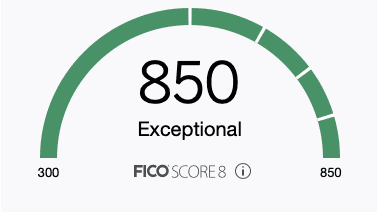
The 2026 economy demands more than just traditional accounting. With the frequency of gig-economy income and fluctuating energy expenses, a static budget plan frequently fails within months. Experts advise a "buffer-first" approach, where individuals prioritize a small emergency fund even while paying down financial obligation. Credit therapists help participants recognize "hidden" expenses-- those small, repeating digital payments that often evade manual tracking. By utilizing modern financial tools and tailored guidance, consumers can restore control over their money circulation.
Many individuals looking for Debt Management in Lakewood Colorado find that structured programs use the best results for long-term behavior modification. Restoring credit after a duration of financial distress includes more than just paying expenses; it needs a strategic approach to credit usage and payment history. Counseling agencies provide a roadmap for this process, typically continuing to provide assistance and education long after the financial obligation management plan is complete. This ongoing relationship assists ensure that the practices formed throughout the program result in a lifetime of monetary health.
Picking the Right Firm for Your Requirements
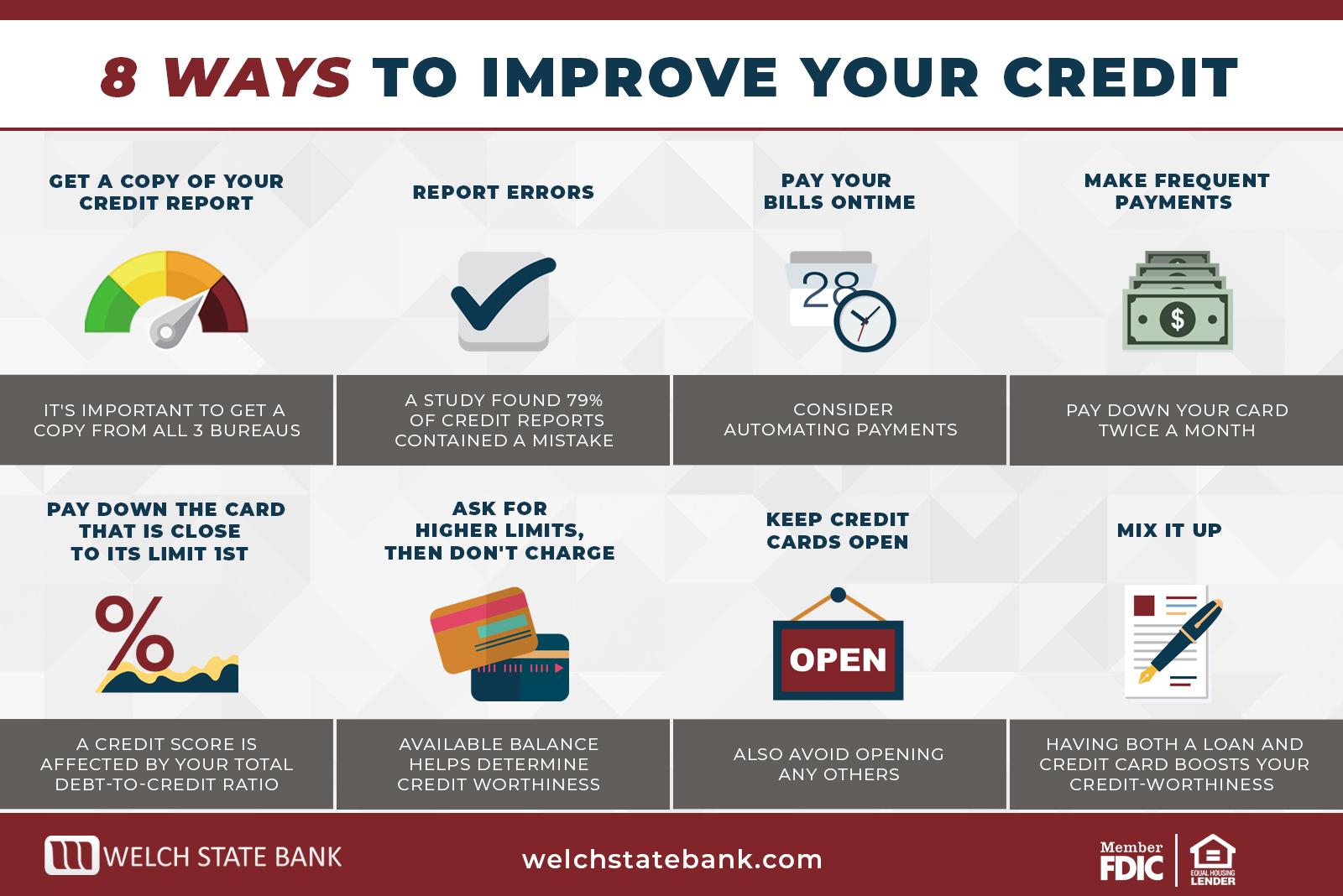
When selecting a company, the not-for-profit classification is necessary. A 501(c)(3) status suggests that the company has a mission-driven focus on neighborhood service. It is also smart to search for agencies that run nationwide however have regional ties. Many companies partner with neighborhood groups and regional nonprofits to supply geo-specific services customized to the financial truths of specific local markets. These collaborations permit a deeper understanding of local cost-of-living modifications and regional resources that may be readily available to the customer.
Prospective clients need to inquire about the accreditation of the specific therapists. A competent therapist should be separately licensed and capable of discussing a vast array of subjects, from standard budgeting to the intricacies of pre-bankruptcy requirements. Openness relating to fees is another trademark of a trusted firm; while there are little monthly administrative costs for managing a financial obligation program, the preliminary counseling session ought to be totally free or really low-priced.
The Path Forward in a Digital Economy
As we move through 2026, the intersection of innovation and personal financing will only become more complicated. Credit counseling provides a human component in a significantly automated world. By integrating data-driven budgeting with professional negotiation, these services help bridge the gap in between financial crisis and stability. Whether an individual is dealing with the consequences of a medical emergency, task loss, or merely the cumulative weight of high-interest charge card, the resources offered by a nonprofit company can make a substantial distinction.
Ultimately, the choice to seek aid is a proactive step towards monetary self-reliance. By weighing the immediate constraints on brand-new credit against the long-term benefit of reduced rates of interest and debt elimination, locals of the local community can make an educated choice. The objective is not simply to settle what is owed, but to develop a structure that prevents future financial obligation from becoming unmanageable.

Table of Contents
Latest Posts

Securing Your Co-Signers Throughout a 2026 Financial obligation Settlement
How Nonprofit Credit Therapy Stops Collection Pressure in 2026
Winning Methods for Credit Improvement in 2026
More
Latest Posts
Securing Your Co-Signers Throughout a 2026 Financial obligation Settlement
How Nonprofit Credit Therapy Stops Collection Pressure in 2026
Winning Methods for Credit Improvement in 2026